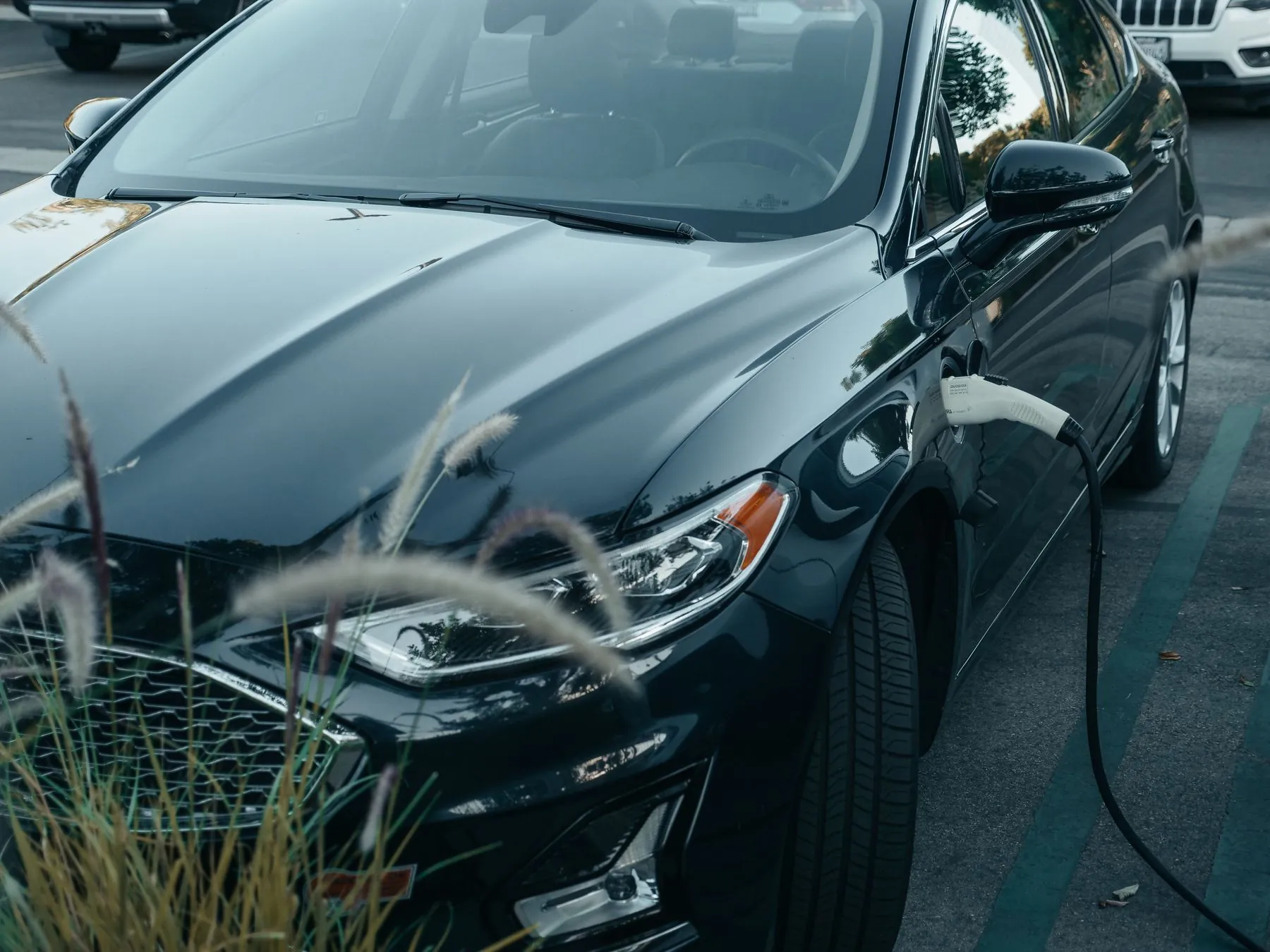
Most autonomous vehicles in development today are electric. That is not a coincidence — the two technologies solve each other's problems.
Electric drivetrains are easy to control
A self-driving computer needs precise, fast control over speed. Electric motors respond almost instantly and can be commanded in very fine steps, with no gear changes to manage. Regenerative braking adds a smooth, predictable way to slow down. For a planner that wants gentle, repeatable motion, an EV is the ideal platform.
Smooth driving stretches every charge
Range is the main constraint for an electric fleet, and driving style has a large effect on it. Hard acceleration and late braking waste energy. An autonomous system drives the same smooth way on every trip — anticipating traffic lights, coasting into stops and recovering energy through regeneration — so range becomes more predictable from shift to shift.
Robots don't mind charging at 3 a.m.
For a human-driven fleet, charging time is driver time. An autonomous vehicle can drive itself to a depot charger, plug in during off-peak hours when electricity is cheapest, and return to service when it is needed. That turns charging from a daily headache into a scheduling problem a computer is good at.
The economics change when the most expensive part of an electric vehicle's downtime — the person waiting with it — disappears.
Fewer moving parts, less maintenance
Electric vehicles have no oil changes, fewer fluids and much less brake wear thanks to regeneration. Combined with the smoother driving of an autonomous system, that means longer intervals between workshop visits and more hours on the road.
What to watch for
- Compute power draw. The driving computer and sensors use energy too, typically a few hundred watts — small, but worth including in range planning.
- Charger access. Self-charging works best with depot chargers the vehicle can reach on its own route.
- Cold weather. Low temperatures reduce battery range and affect sensors, so winter operations need their own validation.